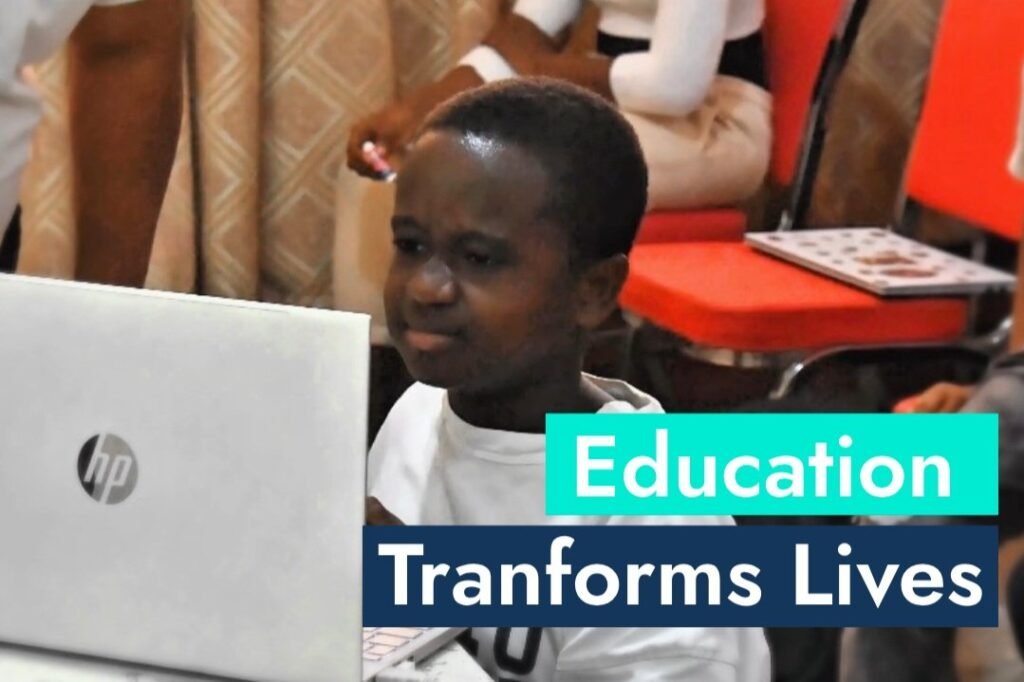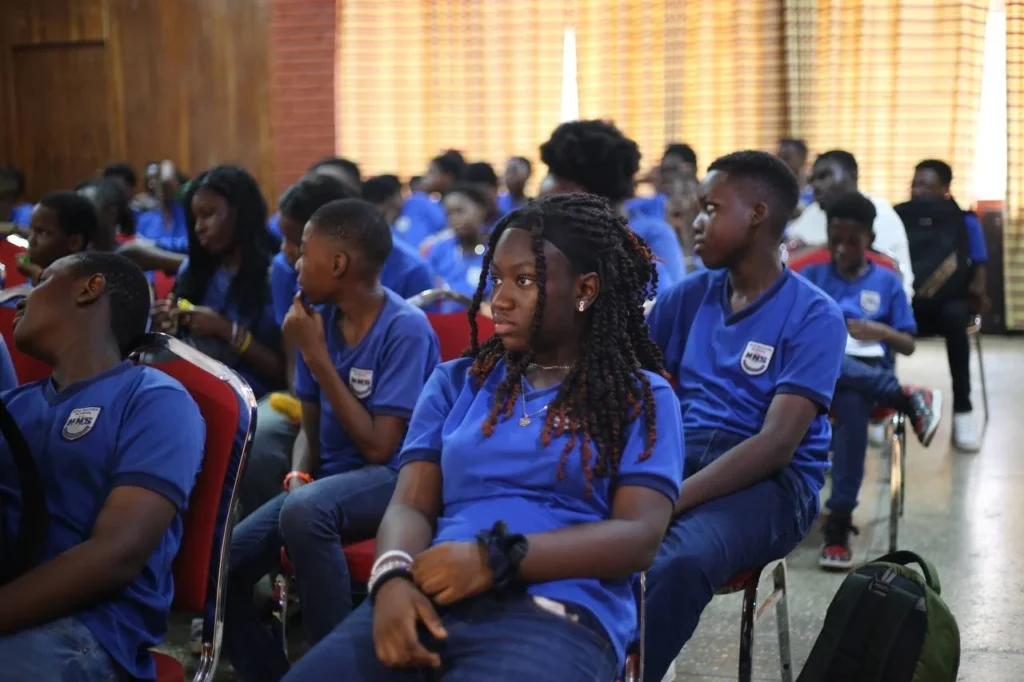
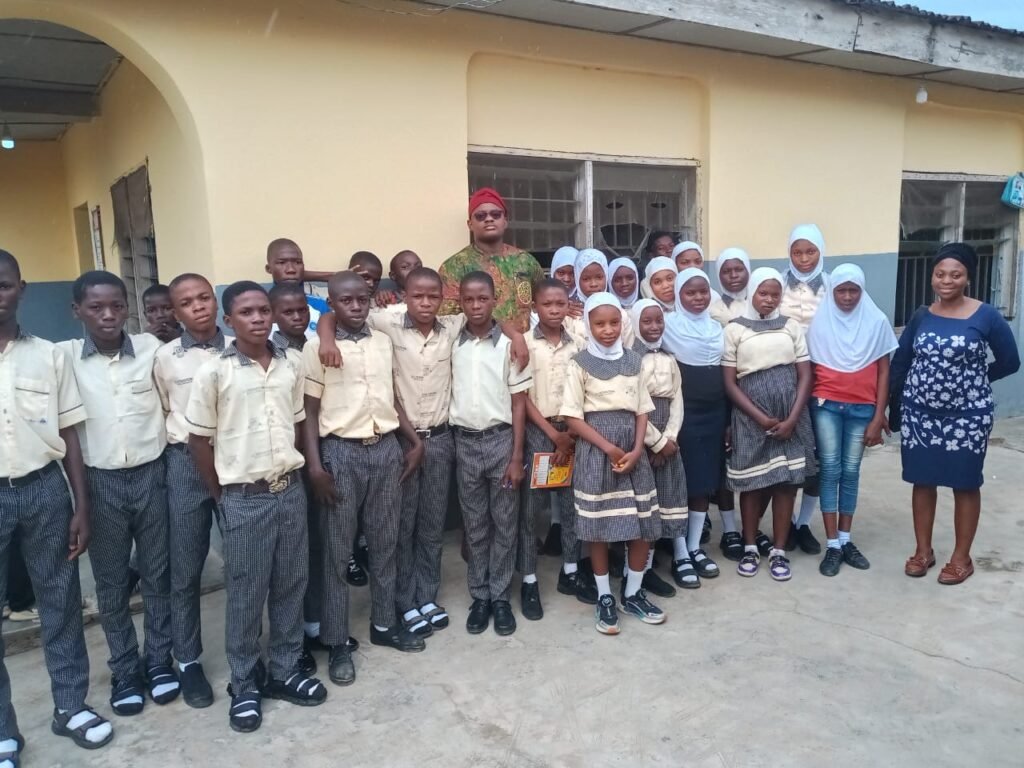
On September 24, 2026, we brought our AI Literacy outreach to 50 students at UI International Model College, Ire Akari, Olomi, Ibadan. Our mission was to equip students with practical, ethical, and critical AI skills to help them actively navigate and shape the future of work.
Key Highlights & Core Curriculum
- AI Fundamentals: We clarified modern algorithms, shifting students’ perspectives from viewing AI as magic to understanding it as human-coded architecture.
- The Art of Prompting: Students mastered a 5-step framework: stating the objective, providing context, specifying output formats, giving examples, and refining prompts for precise results.
- Responsible Innovation: We led discussions on responsible AI, focusing on bias, misinformation, data transparency, and ethical usage.
- Practical Lab & Critique: Using ChatGPT and Google Gemini, students brainstormed solutions for challenges they faced at home or school and generated study materials, while learning to critique AI outputs for factual accuracy and bias rather than treating them as absolute truth.
- AI Club Inauguration: To promote sustained peer learning, an AI Club was formally established at the school, complete with 5 democratically elected student executives (President, Vice President, Secretary, Public Relations Officer, and Treasurer).
Impact & Survey Outcomes
Evaluating a representative sample of 21 students revealed strong engagement and positive feedback:
- 100% Session Satisfaction & Future Outlook: 100% of assessed students expressed overall satisfaction with the session (71.43% very satisfied, 28.57% satisfied), reported excitement about AI’s potential to transform the future, and agreed AI makes learning more enjoyable.
- 100% Confidence & Practical Mastery: 100% felt comfortable using AI tools post-training (95.24% agree, 4.76% strongly agree), 100% felt confident in their ability to learn new AI tech, 100% demonstrated mastery in writing structured prompts, and 100% rated the content as very useful.
Key Operational Insight
While participant enthusiasm was high, we identified a low baseline in computer literacy, as the school lacked a computer lab and students preferred mobile devices, with only a handful knowing how to use a computer. Additionally, the baseline digital literacy gap was noticeably more pronounced among female participants. Moving forward, we recommend incorporating foundational computer warm-up modules and establishing dedicated Girls-in-Tech peer support groups within the newly formed AI Club to ensure inclusive digital access.