Date: 16th July 2026
Venue: Grace Galaxy Academy, Paara, Ibadan, Oyo State
Executive Summary
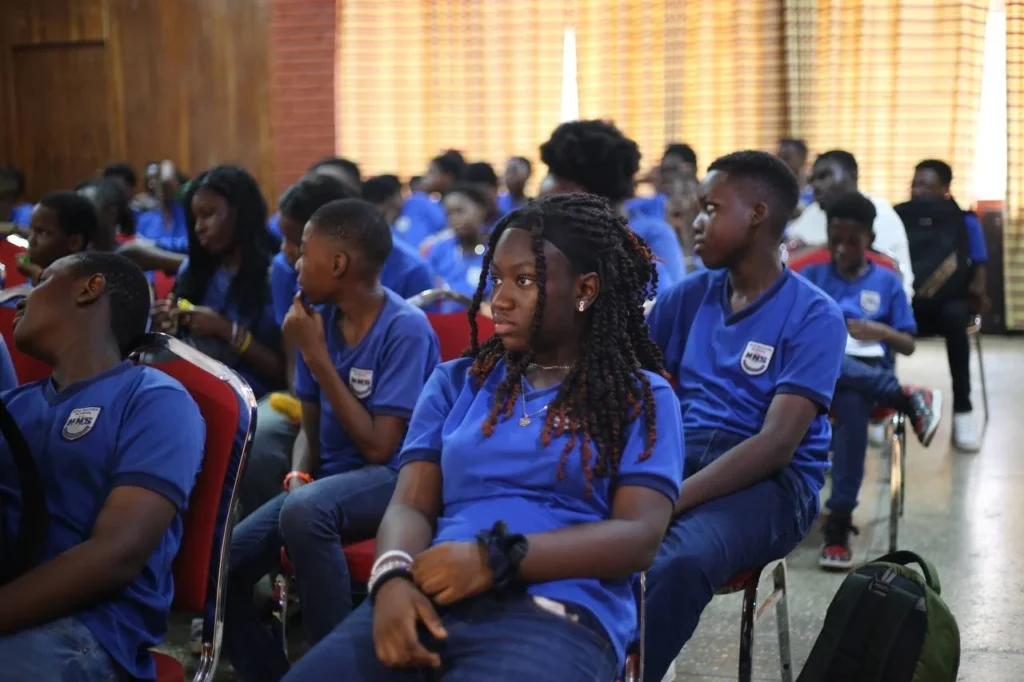
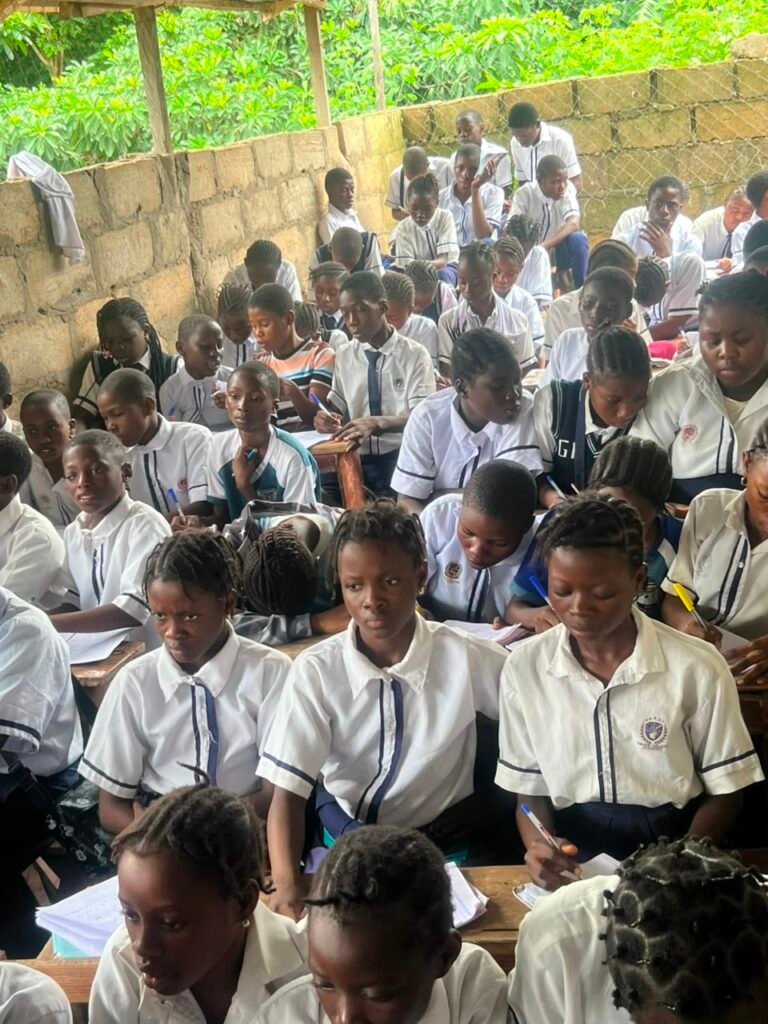
The one-day AI Literacy outreach session delivered at Grace Galaxy Academy, Paara, Ibadan, successfully introduced 60 secondary school students to the transformative potential of Artificial Intelligence (AI). Situated in a low-resource community on the outskirts of Ibadan, this outreach was designed to democratize access to emerging technology and cultivate a foundational understanding of ethical AI usage. The program combined immersive theoretical lessons with hands-on practice, covering everything from AI fundamentals to advanced prompt engineering. The session included a comprehensive flow: an AI literacy pre-survey, an interactive training delivery, practical workshops with generative AI tools, an assessment quiz, and a post-outreach feedback session to evaluate student comprehension.
Pre-session Assessment
Before the official curriculum began, an AI literacy survey was conducted among 30 participants. This baseline assessment was vital for gauging the students’ prior exposure to AI and technology.
Core Session: AI Fundamentals & Engineering
The core training provided a structured, deep dive into the world of AI. The curriculum was divided into distinct, manageable modules:
- Understanding AI: We explored what Artificial Intelligence is, demystifying the “magic” behind the algorithms, and explaining how AI functions in the modern world.
- Prompt Engineering – The Art of Instruction: A significant portion of the training was dedicated to teaching students how to communicate effectively with generative AI. We moved beyond simple questions to teach prompt structures:
- State what you want
- Provide context
- Specify desired output format
- Include examples where appropriate
- Refine prompt if the first response is inadequate
- Principles of Responsible AI: We held critical discussions on AI ethics, focusing on bias, the necessity of transparency, and the danger of misinformation.
- Problem-Solving: Students were guided on how to identify real-world problems in their immediate community and utilize AI tools to brainstorm potential solutions, promoting a mindset of social innovation.
Hands-on Practicals
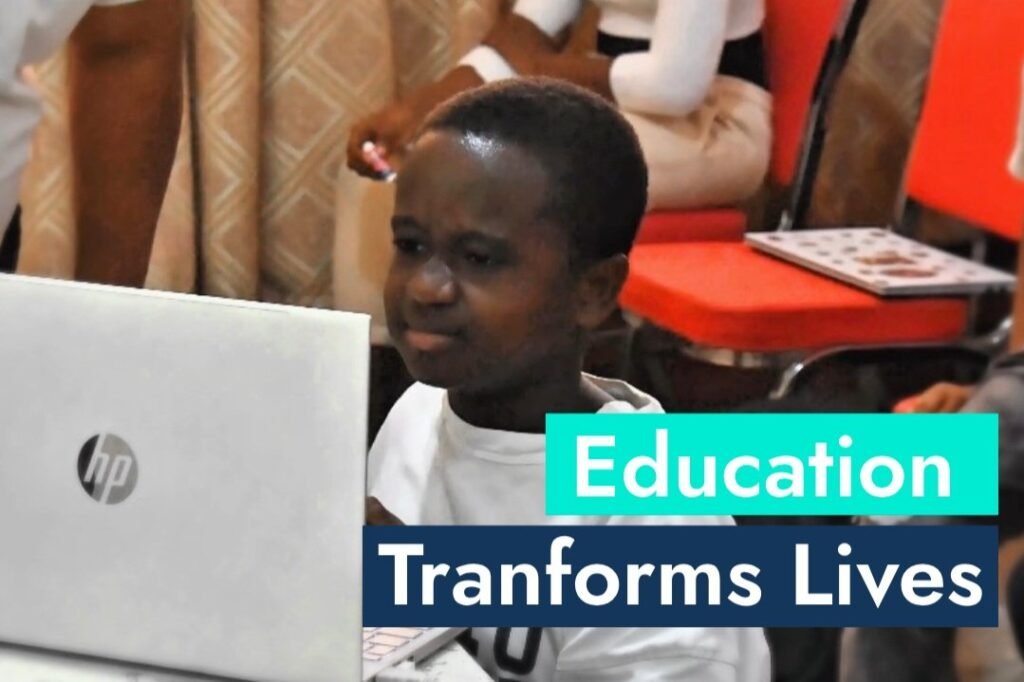
To translate theory into skill, students utilized ChatGPT and Google Gemini for active lab work. These sessions were highly interactive and focused on two main areas:
- Text & Image Generation: Students experimented with generating academic blockers, creative stories, and images.
- Critique and Evaluation: This was the most crucial practical exercise. Students were required to evaluate the outputs generated by the AI models, identifying factual inaccuracies, logical inconsistencies, or biased statements. This process trained them to view AI as a collaborator rather than an absolute source of truth.
Assessment and Feedback
To measure the impact of the outreach, two specific tools were utilized:
- Assessment Quiz: At the end of the training, a quiz was administered to test the retention and application of key concepts and proficiency in prompt engineering. Out of the 60 students who participated in the training, a sample size of 26 students took the quiz.
- Feedback Form: A post-outreach feedback form was distributed to collect qualitative data on the students’ overall experience, ensuring their voices were heard, and their suggestions could inform future sessions.
Challenges & Learnings
While the outreach was highly successful in terms of student engagement and knowledge transfer, a significant observation was made regarding the technological landscape of the community:
- Digital Literacy Gap: The facilitators noted a generally low level of baseline digital literacy among the students.
- Gender-Specific Trends: It was particularly noted that this gap was more pronounced among female students.
This finding underscores the necessity for targeted interventions in low-resource communities, ensuring that digital and AI literacy training is structured to be inclusive and supportive of students who may have had limited prior interaction with advanced digital tools.
Conclusion
The outreach at Grace Galaxy Academy was a pivotal moment for these students, sparking curiosity and providing a roadmap for navigating the future of work. By teaching students how to craft precise instructions for AI and, more importantly, how to critically assess the results, we empowered them to move from passive consumers of technology to active, critical thinkers. While the digital literacy gap is a hurdle, the enthusiasm demonstrated by the 60 participants confirms that there is a strong appetite for technical education.