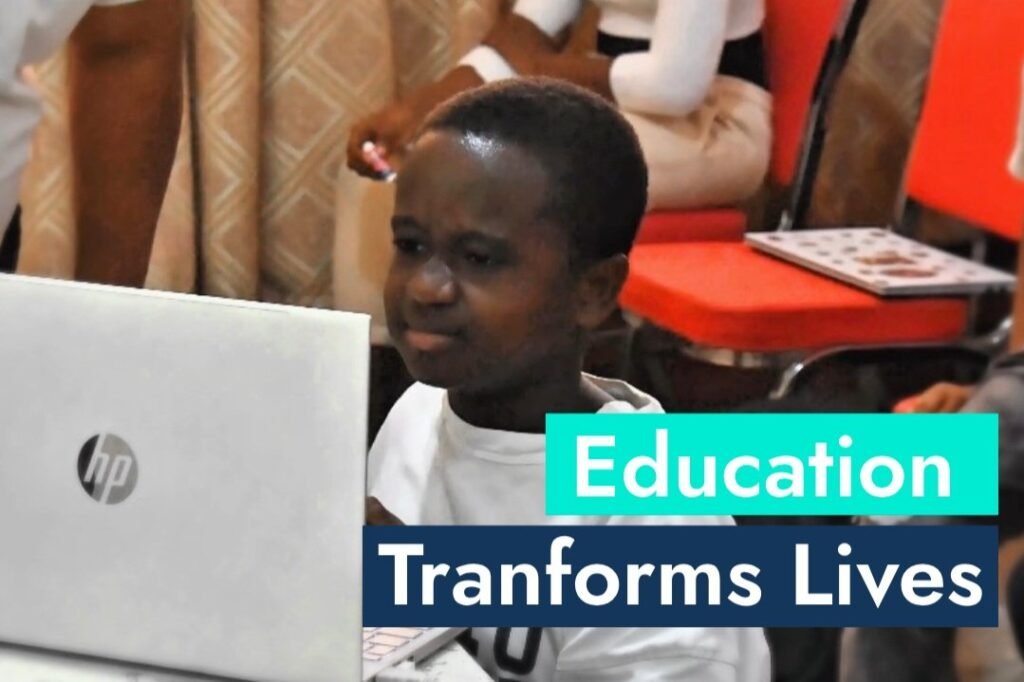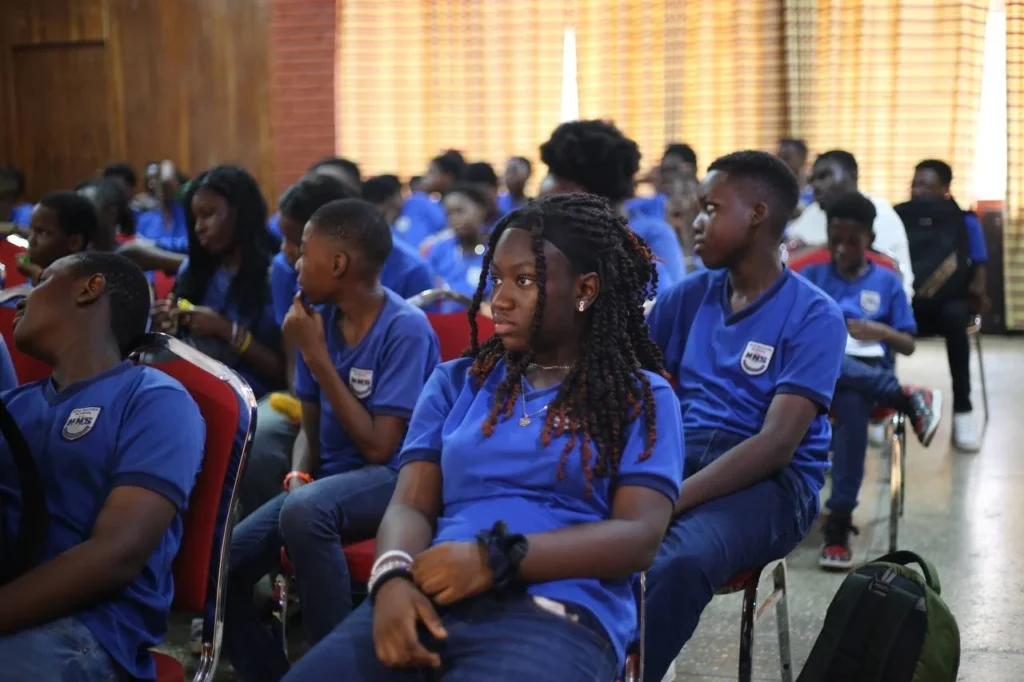
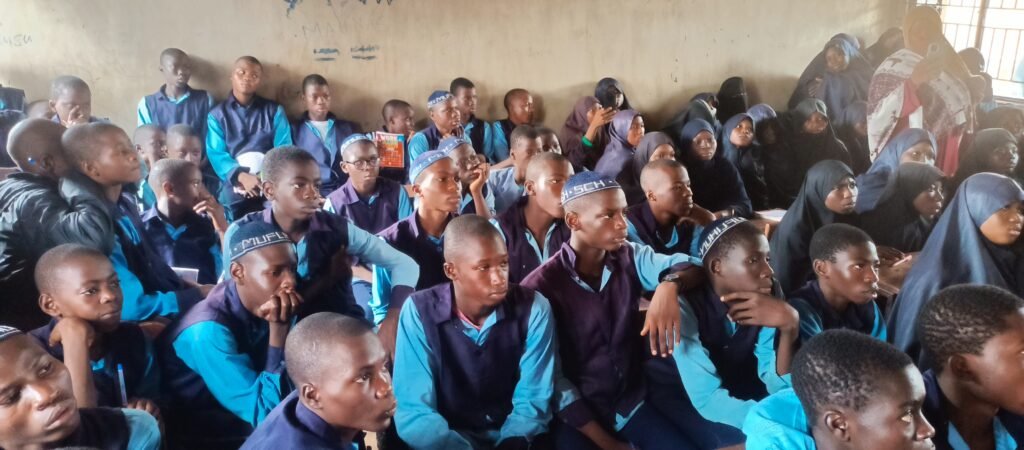
On July 15, 2026, we were at Mufulihun High School, Muslim, Ibadan, to bring our AI Literacy outreach to 107 students. Our mission was to move beyond the technical words and equip the students with the practical skills needed to navigate and shape the future of work.
Key Highlights & Core Curriculum
AI Fundamentals: We explained the “magic” behind modern algorithms, breaking down how AI functions in daily life and modern technology.
The Art of Prompting: Students mastered a structured framework which are: Clearly stating what you want, providing context, specifying output formats, providing examples, and refining instructions to get precise results from generative AI if the initial response is inadequate.
Responsible Innovation: We led discussions on responsible AI, focusing on bias, data privacy, system transparency, and the dangers of digital misinformation.
Practical Lab & Critique: Using ChatGPT and Google Gemini, students brainstormed solutions for local community issues and, most importantly, learned to critique AI outputs for factual accuracy and logical consistency.
Impact & Student Satisfaction
The energy throughout the session was matched by remarkable outcomes:
100% Session Satisfaction: Every participating student surveyed rated the overall session as exceptionally valuable and engaging.
100% Readiness & Growth: All assessed students reported feeling confident in using AI tools and expressed excitement about incorporating AI into their academic journey.
Qualitative Student Feedback
“Before today, I thought AI was something meant only for brilliant people, so I always avoided to even try using computers. But learning how to write precise prompts and question the AI’s answers made me realize that I am in control, which changed how I feel about my ability to use AI. Now, I will use Generative AI to brainstorm ideas for my schoolwork and assignments.”
Key Operational Insight
While engagement was high across the board, we identified a significant baseline digital literacy gap that was noticeably more pronounced among female students. This finding reinforces our commitment to delivering inclusive, targeted interventions in low-resource communities—ensuring no student is left behind in the emerging digital economy.