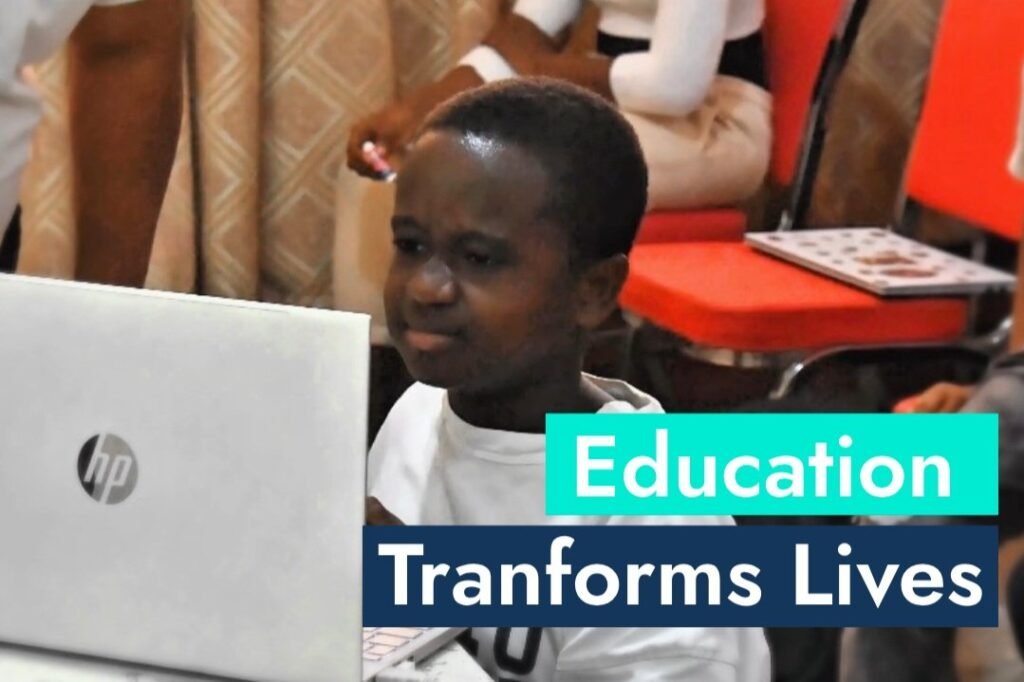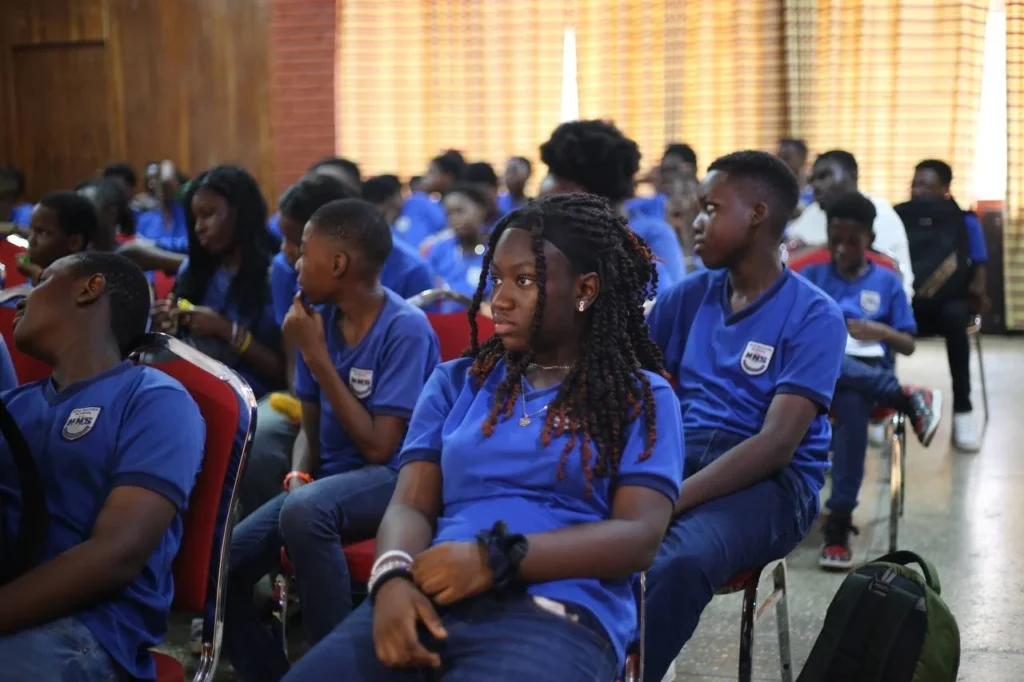

On July 20, 2026, we conducted an intensive AI capacity-building workshop in the Sapati community of Ibadan, training 14 secondary school students. Designed specifically for youth in underserved suburban areas, our mission was to bridge the technological gap and equip students with the practical skills needed to navigate and shape a technology-driven global marketplace.
Key Highlights & Core Curriculum
- AI Fundamentals: We explained what AI is, how it functions, difference between AI and GenAI, how to give good and clear instructions to GenAI, Critiquing the outputs of GenAI, Principles of responsible Ai and How to use AI to solve problems, advancing SDG 4 (Quality Education) and SDG 10 (Reduced Inequalities).
- The Art of Prompting: Students learned a systematic 5-step process for instructing generative models: clearly stating the objective, providing context, outlining output structures, supplying examples, and refining prompts if the initial output is inadequate.
- Responsible Innovation: Through storytelling, we covered key principles of responsible AI.
- Practical Lab & Critique: Students created structured prompts to solve real academic problems they face in school, while analyzing generated outputs for missing context and errors to reinforce the necessity of human verification.
Impact & Survey Outcomes
Evaluating a representative sample of 7 students (50% of the total cohort) via a 25-question quiz and post-activity assessment revealed exceptional engagement:
- 100% Satisfaction & Operational Comfort: 100% of surveyed students expressed overall session approval, reported feeling completely comfortable navigating AI tools, rated the curriculum utility as 100%, and stated a readiness to dedicate personal time to AI skill building.
- High Optimism & Academic Value: 100% agreed that AI tools can enhance academic learning and make studying more enjoyable, while 85% expressed strong optimism regarding AI’s potential to transform societal systems.
Qualitative Student Feedback
“Before this training, I did not know how to use AI. I only heard about it in school. But once I learned how to give clear instructions to the AI and check its work for mistakes, I realized it’s a tool I can direct to help solve my own challenges at school.”
Key Operational Insight
While overall engagement was high, we observed baseline variations in digital familiarity and noted that there was a gender digital divide among the female students on digital literacy. To address these equity considerations, future workshops will integrate foundational digital familiarity activities at the start and establish dedicated mentorship pathways for female participants.